
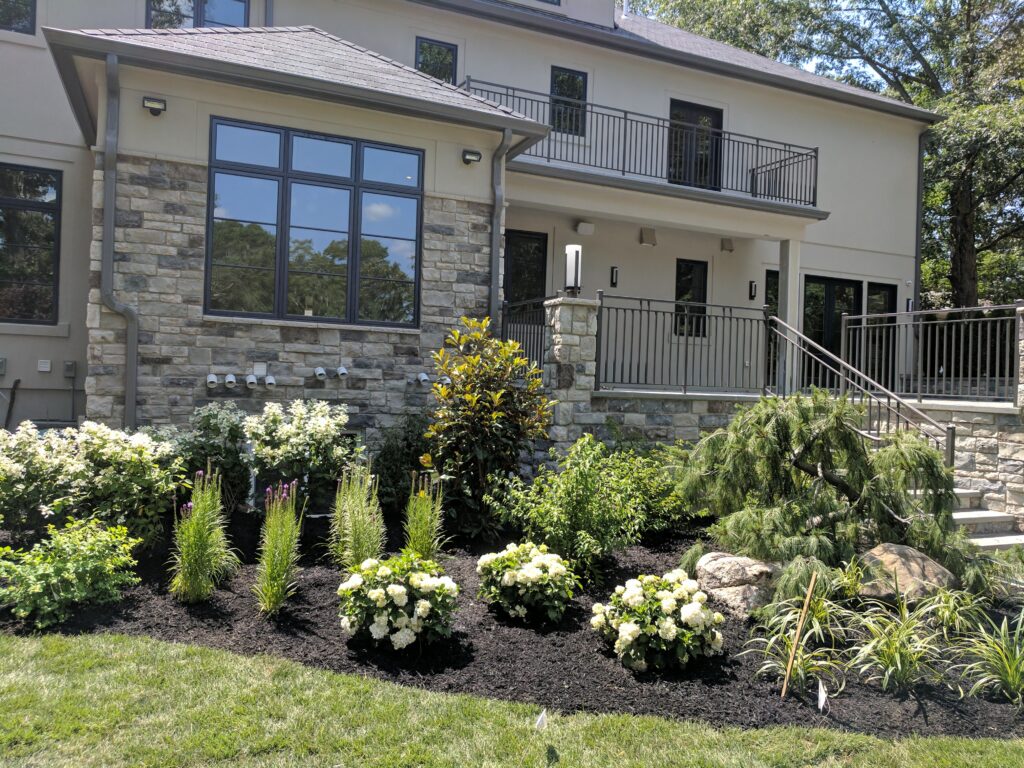
Late summer is one of the best times to evaluate how well your outdoor space is actually working.
By August, Monmouth County homeowners can clearly see which plants handled the heat, where water collects after storms, which areas need more shade or privacy, and whether patios and walkways support the way the property is used.
Good landscape design goes beyond adding new plants. It considers drainage, circulation, seasonal interest, privacy, hardscape placement, existing features, and how the landscape relates to the home.
At Calgo Gardens in Freehold, landscape planning starts with understanding the property as a whole. By evaluating what works, what does not, and how the space could function better, homeowners can begin planning improvements that feel intentional and cohesive.
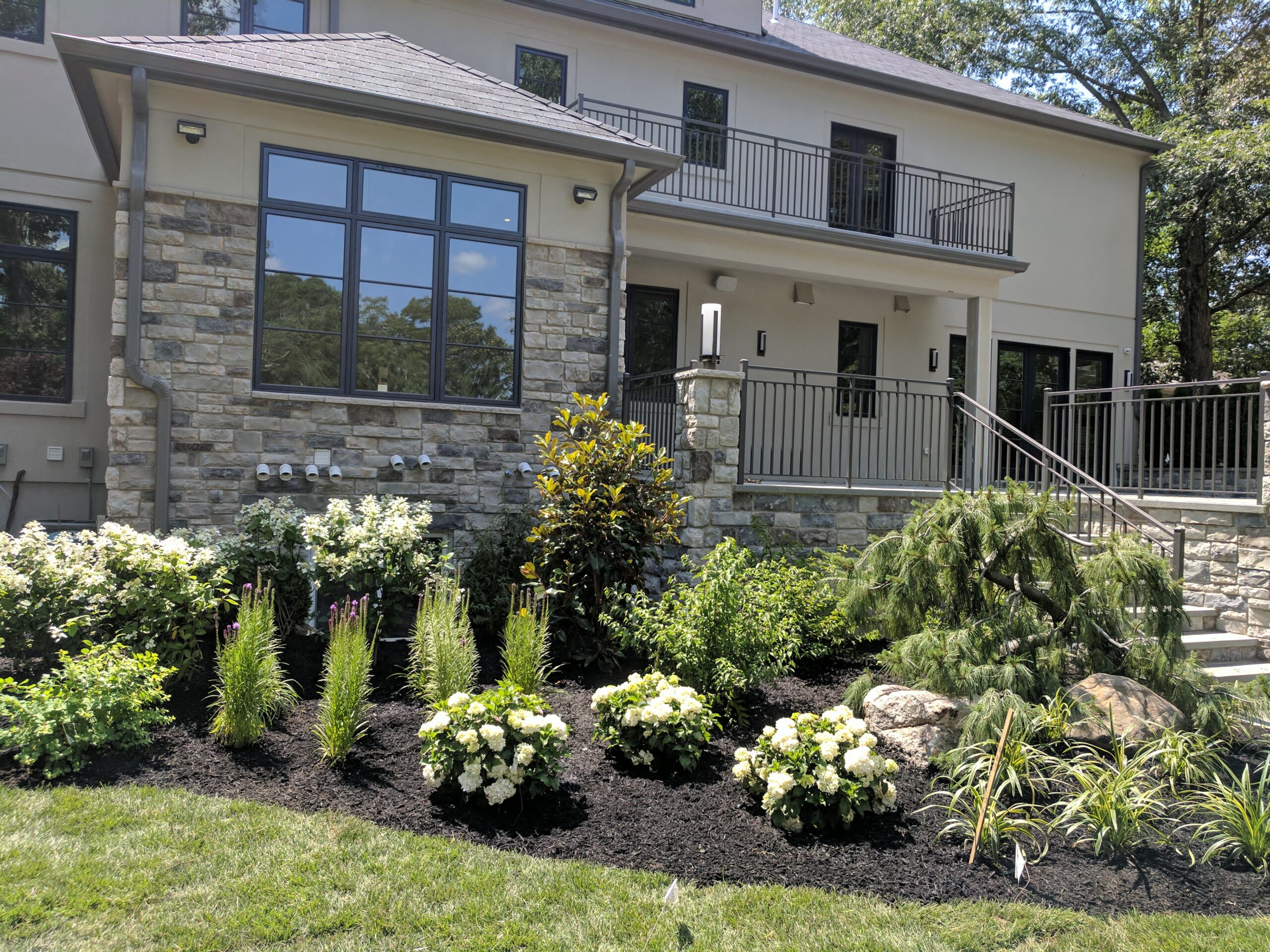
What to Look for When Evaluating Your Landscape
Before deciding what to change, walk through your property at different times of day and pay attention to how each area performs.
Look for signs such as:
- Plants that regularly wilt or decline: Sun exposure, drainage, soil conditions, or plant selection may be contributing factors.
- Garden beds that lose interest by late summer: Beds that rely heavily on spring blooms may need more foliage, grasses, shrubs, or later-blooming plants.
- Water collecting after storms: Repeated puddling, erosion, or soggy soil may indicate grading or drainage concerns.
- Patios or seating areas that are rarely used: The space may need more shade, privacy, circulation, or a stronger connection to the home.
- Overgrown or crowded plantings: Mature landscapes sometimes need editing rather than complete replacement.
- Unused areas of the yard: An overlooked corner may have potential for planting, seating, a pathway, or another functional feature.
These observations help create a clearer starting point for a future landscape design.
Site-Specific Landscape Planning Builds on What Already Works
A landscape redesign does not always require starting from scratch.
Mature trees, established shrubs, existing patios, stonework, and healthy garden beds can often become anchors for an updated plan. The goal is to preserve successful features while improving the areas around them.
A mature shade tree, for example, may become the foundation for a new planting area. An existing patio may remain in place but benefit from better screening, softer planting around the edges, or improved access from the house.
Site-specific landscape planning considers sunlight, drainage, property layout, existing vegetation, architecture, circulation, and how the homeowner wants to use the space. That approach helps the finished landscape feel like a natural extension of the property.
Layered Planting Design Creates Longer Seasonal Interest
One of the easiest problems to identify in late summer is a landscape that looked full and colorful in spring but feels sparse by August.
A stronger planting design combines different layers of vegetation so the yard does not depend on one short flowering season.
That may include:
- Trees for height and shade
- Evergreen and deciduous shrubs for structure
- Perennials with varied bloom periods
- Ornamental grasses for texture and movement
- Groundcovers to connect planting areas
- Seasonal flowers for concentrated color
Late-blooming perennials, grasses, shrubs with fall color, and plants with interesting foliage can help extend visual interest into autumn.
The goal is not to add as many varieties as possible. Repeating compatible plants and planning for mature size often creates a calmer, more cohesive landscape.
Native and Climate-Appropriate Plants Can Support the Design
Native and regionally suitable plants can be useful additions to New Jersey landscapes when they are matched to the right conditions.
Sun exposure, soil moisture, drainage, available space, and mature size should all influence plant selection. A plant suited to a shaded, moist location may perform very differently in an exposed front yard.
Native perennials, shrubs, grasses, and trees can work within formal or naturalistic designs. Thoughtful repetition, spacing, and defined planting areas help them feel intentional while adding seasonal character to the landscape.
Landscape Drainage and Grading Should Be Considered Early
Late-summer storms can make drainage issues easier to identify.
After rainfall, pay attention to where water moves and how long it remains. Drainage conditions should be evaluated before installing new planting beds, patios, walkways, or other permanent features.
Common warning signs include:
- Water collecting near the house
- Persistently soggy lawn areas
- Mulch or soil washing out of beds
- Water crossing patios or walkways
- Erosion on sloped areas
- Plants repeatedly struggling in low spots
Depending on the property, landscape drainage solutions may involve grading adjustments, drainage systems, soil improvements, changes to runoff patterns, permeable materials, or planting selections suited to wetter conditions.
Addressing drainage as part of the larger landscape plan helps new improvements work with the property rather than simply covering up an existing issue.
Hardscape Design Can Improve Outdoor Living Areas
Hardscaping gives an outdoor space structure, circulation, and purpose.
Late summer is a useful time to evaluate whether patios, paths, and gathering areas actually support the way you use your yard.
Consider a few practical questions.
Is the Patio Large Enough?
Outdoor dining, grilling, seating, planters, and foot traffic can require more space than expected. Patio dimensions should account for how the area will actually be furnished and used.
Do Walkways Follow Natural Traffic Patterns?
Paths should make it easy to move between the home, driveway, patio, garden, and other frequently used areas.
Does the Yard Need More Privacy?
Trees, shrubs, trellises, walls, or other landscape features can create screening without necessarily closing off the entire property.
Do the Materials Complement the Home?
Pavers and natural stone should relate to the home’s architecture, masonry, siding, and surrounding landscape.
Planning hardscape and planting areas together can also soften patio edges, frame views, improve circulation, and create a stronger transition between the home and yard.
Four-Season Landscape Design Goes Beyond Summer Blooms
A successful New Jersey landscape should continue to have structure even after summer flowers fade.
Four-season landscape design may incorporate:
- Evergreens for year-round structure
- Trees and shrubs with fall color
- Ornamental grasses that remain attractive later in the year
- Plants with distinctive winter branching or seed heads
- Spring bulbs beneath later-emerging plants
- Hardscape features that provide permanent structure
- Landscape lighting for shorter fall and winter days
Thinking beyond peak summer bloom helps create a landscape that remains visually balanced throughout the year.
Late Summer Is a Smart Time to Start Landscape Planning
Late summer does not have to mean the end of the landscaping season. It can be one of the most useful times to begin planning what comes next.
Take photos of problem areas, observe sun and drainage patterns, measure outdoor living spaces, and identify existing plants or features you want to keep. These details can make a future landscape consultation more productive.
Calgo Gardens provides custom landscape design and build services from its Freehold location for homeowners throughout Monmouth and Ocean Counties. Landscape planning can bring together planting, grading, drainage, circulation, privacy, seasonal interest, and hardscape features within one coordinated design.
Whether you are considering an updated front landscape, improved backyard entertaining area, new garden beds, or a larger property transformation, late summer is an ideal time to evaluate your outdoor space and begin planning ahead.
Ready to explore what is possible? Complete the Landscape Design Questionnaire or learn more about Calgo Gardens’ landscape design and build services.
Frequently Asked Questions About Landscape Design
What should I prepare before meeting with a landscape designer?
Identify the areas you would most like to improve, how you currently use the yard, any drainage or privacy concerns, and which existing features you want to keep. Seasonal photos can also help document changing sun, water, and planting conditions.
Can existing trees and garden beds be incorporated into a new landscape design?
Yes. Mature trees, established shrubs, patios, and other successful features can often be incorporated into a new design rather than removed.
Can landscape design improve privacy without installing a fence?
Plantings and other landscape features can help create screening through trees, shrubs, ornamental grasses, trellises, or walls. The appropriate approach depends on available space, sunlight, and the level of privacy desired.
Should planting and hardscaping be designed together?
When a project involves both, coordinating them from the beginning can help align circulation, drainage, materials, planting areas, proportions, and the overall appearance of the property.