
A beautiful garden doesn’t stay beautiful on its own. At Calgo Gardens, we’ve spent decades helping homeowners throughout Freehold and Monmouth County create and maintain healthy, thriving landscapes that provide year-round beauty and enjoyment.
As a trusted garden center, nursery, and landscape design company, we’ve seen firsthand how proper maintenance can transform a garden’s long-term health and appearance. While many homeowners focus on spring planting and occasional upkeep, successful gardens require attention throughout the year. Plants grow and mature, weather conditions change, weeds emerge, and seasonal maintenance needs evolve from one month to the next.
In Monmouth County, gardens face a variety of environmental challenges, including hot summers, humid conditions, heavy rain events, winter freezes, deer pressure, and varying soil types. Without consistent care, even well-designed landscapes can become overgrown, lose seasonal interest, or develop plant health issues that affect their long-term performance.
That’s why many homeowners choose Garden Maintenance Programs in Monmouth County. These programs provide ongoing professional care designed to support healthy plant growth, preserve the beauty of the landscape, and help homeowners enjoy their outdoor spaces without constantly worrying about maintenance tasks.
Whether your property features perennial gardens, ornamental trees, flowering shrubs, pollinator plantings, native gardens, or foundation beds, a proactive maintenance plan can help ensure your landscape continues to thrive through every season.
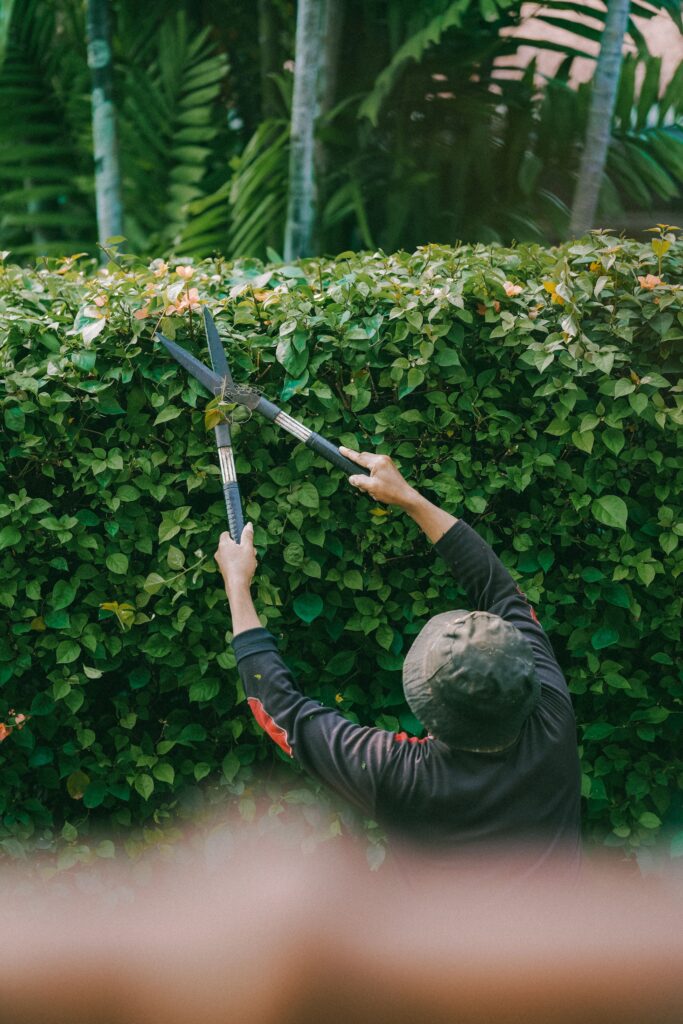
What Are Garden Maintenance Programs?
Garden maintenance programs are ongoing professional garden care services designed to keep landscapes healthy, attractive, and properly maintained throughout the year.
Unlike one-time cleanups, maintenance programs provide consistent attention to plant health, seasonal needs, and overall garden appearance. Regular visits allow horticultural professionals to identify potential issues early while ensuring plants receive the care they need at the appropriate time of year.
For homeowners throughout Monmouth County, a garden maintenance program helps preserve the beauty of the landscape while reducing the time and effort required to maintain it.
Most garden maintenance programs include services such as:
- Garden bed maintenance
- Weed management
- Shrub and perennial pruning
- Seasonal cleanup
- Mulching
- Plant health monitoring
- Soil improvement and fertilization
- Seasonal planting and color enhancements
The goal is not simply to keep a garden looking neat. The goal is to create healthier plants, stronger seasonal performance, and a landscape that continues to mature beautifully over time.
Why Do Gardens Need Year-Round Maintenance?
Many homeowners view gardening as a spring activity, but plants have changing needs throughout every season.
A perennial that blooms beautifully in June may require deadheading later in the summer. Shrubs that provide structure and color may need pruning at specific times of the year. Garden beds that look pristine in April can quickly become overrun with weeds if they aren’t monitored regularly.
Consistent garden care helps:
- Promote healthier plant growth
- Improve flowering and seasonal color
- Reduce weed pressure
- Prevent overcrowding
- Detect plant health issues early
- Protect landscape investments
- Maintain curb appeal throughout the year
Routine maintenance allows gardeners to address small concerns before they become larger and more costly problems.
What Happens When Gardens Don’t Receive Regular Maintenance?
Even well-designed landscapes can begin to decline without ongoing attention.
Many of the issues homeowners encounter are gradual and may not be immediately noticeable until significant damage has already occurred.
Increased Weed Growth
Weeds compete with desirable plants for water, nutrients, and sunlight. Over time, they can crowd planting beds, diminish curb appeal, and place unnecessary stress on ornamental plants.
Reduced Flower Production
Many flowering perennials and shrubs benefit from routine pruning, deadheading, dividing, and seasonal care. Without maintenance, flowering performance often declines over time.
Poor Plant Health
Nutrient deficiencies, environmental stress, disease issues, and insect activity frequently develop before visible symptoms appear. Regular inspections help identify these concerns before they become serious.
Overgrown Shrubs and Perennials
Plants naturally grow and spread. Without proper pruning and maintenance, they can become overcrowded, lose their shape, and begin competing with neighboring plants.
Declining Curb Appeal
Even healthy gardens can appear neglected when beds become weedy, plants become overgrown, or seasonal debris accumulates throughout the landscape.
Common Challenges for Gardens in Monmouth County
Every region presents unique gardening challenges. Understanding local growing conditions is one of the keys to maintaining healthy landscapes throughout the year.
Summer Heat and Humidity
Hot, humid summers can create stress for many plants while increasing the likelihood of fungal diseases and moisture-related issues.
Heavy Rainfall and Drainage Concerns
Periods of heavy rain can impact soil structure, drainage, and root health. Certain areas may experience standing water or overly saturated soils that affect plant performance.
Winter Freeze-Thaw Cycles
Fluctuating winter temperatures can cause damage to trees, shrubs, and perennials, particularly newly installed plants that have not fully established their root systems.
Deer Pressure
Deer browsing remains one of the most common challenges for homeowners throughout Monmouth County. Certain ornamental plants and newly installed gardens are especially vulnerable.
Varying Soil Conditions
Properties throughout the region may contain sandy soils, clay-heavy soils, or combinations of both. Soil conditions influence drainage, nutrient retention, and overall plant performance.
Understanding these regional factors helps gardeners make better decisions regarding plant selection, maintenance schedules, and long-term landscape planning.
Seasonal Garden Care Throughout the Year
Successful gardens are built on timely maintenance and seasonal attention.
Spring: Setting the Foundation for Success
Spring is often the busiest and most important season for garden maintenance.
Common spring tasks include:
- Removing winter debris
- Cutting back dormant perennials
- Defining garden bed edges
- Applying fresh mulch
- Fertilizing plants
- Evaluating winter damage
- Preparing planting beds
Addressing these tasks early helps establish the foundation for healthy growth throughout the growing season.
Summer: Managing Growth and Plant Health
Summer is when gardens are at their most colorful, but it’s also when plants experience the greatest stress.
Summer maintenance often includes:
- Deadheading spent flowers
- Weed management
- Monitoring irrigation needs
- Shrub pruning and shaping
- Plant health inspections
- Pest and disease observation
Regular maintenance helps gardens remain healthy and attractive during periods of heat and humidity.
Fall: Preparing for the Seasons Ahead
Fall is one of the most overlooked yet important times for landscape care.
Seasonal tasks often include:
- Garden cleanup
- Perennial division
- Mulch replenishment
- Shrub care
- Soil improvement
- Tree and shrub planting
Preparing the landscape in fall often results in healthier growth and stronger performance the following spring.
Winter: Planning and Evaluation
Winter provides an opportunity to assess the landscape and prepare for future improvements.
This is often the ideal time to:
- Evaluate plant performance
- Review garden design
- Identify opportunities for enhancement
- Plan new planting projects
- Prepare for spring installations
Thoughtful planning helps create healthier, more successful gardens year after year.
Professional Garden Maintenance vs. Seasonal Cleanup
Many homeowners schedule spring or fall cleanups but wonder whether ongoing maintenance is necessary.
The difference comes down to consistency.
A seasonal cleanup addresses immediate needs at a specific time of year. A garden maintenance program provides ongoing care designed to support long-term plant health and landscape performance.
| Seasonal Cleanup | Garden Maintenance Program |
| One-time service | Ongoing care throughout the year |
| Focuses on immediate appearance | Focuses on long-term plant health |
| Limited monitoring | Regular inspections and adjustments |
| Reactive approach | Proactive garden management |
| Addresses existing issues | Helps prevent future problems |
| Seasonal improvements | Year-round landscape support |
For established gardens, ongoing maintenance often provides better long-term results than occasional cleanups alone.
Local Plant Knowledge Makes a Difference
Not every plant thrives in every environment.
As a garden center and nursery in Freehold, Calgo Gardens has spent decades helping homeowners select and care for plants that perform well throughout Monmouth County. We understand how local weather patterns, soil conditions, and seasonal changes affect everything from flowering perennials to ornamental trees and native plantings.
Successful garden maintenance isn’t simply about pulling weeds or trimming shrubs. It’s about understanding plant growth habits, proper pruning techniques, seasonal timing, and the unique conditions that influence garden performance throughout Central New Jersey.
That local expertise helps homeowners make informed decisions and achieve better long-term results.
Expert Tip: Don’t Overlook Fall Garden Care
Many homeowners focus heavily on spring gardening, but fall maintenance often has an even greater impact on long-term garden health.
Fall is an excellent time to improve soil conditions, divide perennials, plant trees and shrubs, refresh mulch, and prepare garden beds for the following growing season.
Investing in proper fall maintenance can lead to stronger spring growth, healthier plants, and fewer landscape issues throughout the year.
How Garden Maintenance Programs Help Protect Your Landscape Investment
A mature garden represents years of growth, planning, and investment.
Regular maintenance helps protect that investment by supporting plant health, preventing avoidable issues, and ensuring landscapes continue to perform as intended.
Whether your property features perennial gardens, ornamental trees, flowering shrubs, pollinator habitats, or native plantings, ongoing care can help preserve the beauty and value of your landscape for years to come.
Helping Gardens Thrive Throughout Monmouth County
At Calgo Gardens, we believe great gardens deserve thoughtful, professional care.
Our Garden Maintenance Programs in Monmouth County are designed to help homeowners enjoy healthier plants, more vibrant gardens, and beautiful outdoor spaces throughout every season.
From garden bed maintenance and pruning to plant health monitoring and seasonal enhancements, our team provides the horticultural expertise needed to help landscapes thrive year after year.
Schedule a Garden Maintenance Consultation
Looking for professional garden care tailored to your landscape?
Contact Calgo Gardens today at 732-919-7770 to learn more about our customized garden maintenance programs and how we help homeowners throughout Monmouth County keep their gardens looking their best.
Frequently Asked Questions
How often should garden beds be maintained throughout the growing season?
Most garden beds benefit from regular attention every few weeks during the growing season. Frequent maintenance helps control weeds, monitor plant health, remove spent blooms, and address issues before they affect the overall appearance of the landscape.
What’s the difference between maintaining a new garden and an established garden?
Newly planted gardens often require more frequent monitoring for watering, root establishment, and plant stress. Established gardens typically require ongoing pruning, dividing perennials, weed management, and plant health monitoring to maintain their appearance and long-term performance.
How do I know if my shrubs need pruning?
Signs that shrubs may need pruning include overgrown branches, uneven growth, reduced flowering, branches rubbing together, or plants extending beyond their intended space. Proper pruning helps maintain plant health, improve appearance, and encourage healthy growth.
Why do weeds keep returning even after I remove them?
Many weeds spread through extensive root systems or produce large quantities of seeds. Removing visible growth may not eliminate the entire plant. Consistent maintenance helps prevent weeds from becoming established and reduces future infestations.
How often should mulch be refreshed in garden beds?
Most garden beds benefit from mulch replenishment annually or as needed. Over time, mulch naturally decomposes and settles. Maintaining the proper mulch depth helps suppress weeds, conserve moisture, and improve the appearance of the landscape.
What garden maintenance tasks are most important during summer?
Summer maintenance often focuses on weed control, deadheading flowers, monitoring plant health, checking for pest or disease issues, managing irrigation needs, and pruning select plants as needed to maintain appearance and vigor.
When should perennials be divided?
Many perennials benefit from division every few years when they become overcrowded or produce fewer blooms. Division helps rejuvenate plants, improve flowering performance, and create healthier growing conditions.
How can regular maintenance improve plant health?
Routine maintenance allows gardeners to identify stress, disease, insect activity, nutrient deficiencies, and environmental issues early. Addressing concerns before they become severe often leads to healthier, more resilient plants.
Why do some plants decline even when they are watered regularly?
Plant decline can result from several factors beyond watering, including poor soil conditions, overcrowding, improper sunlight exposure, pest activity, disease, or nutrient deficiencies. Regular monitoring helps identify the underlying cause before significant damage occurs.
What is the most commonly overlooked aspect of garden maintenance?
Many homeowners focus on visible tasks such as weeding and pruning but overlook plant health monitoring. Regular inspections can identify developing problems early, often preventing costly plant loss and helping gardens perform better throughout the year.